Wednesday, September 26, 2012
IN THE WORLD’S WINE CAPITAL
One
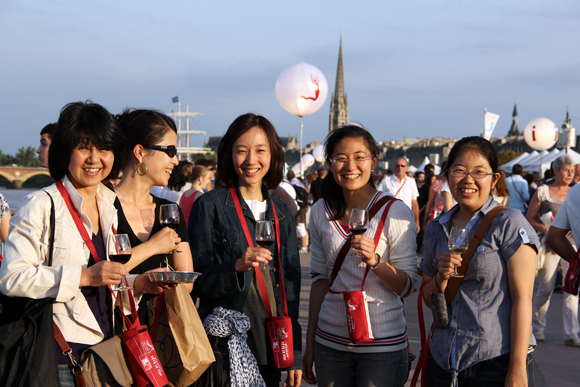
of the highlights of the year was my visit to France to attend the Bordeaux Fete du Vin.
Bordeaux
is a beautiful city, in France, on the Garonne River. Its derelict warehouses and littered
quays have been cleaned up and it has emerged out of it reputation as a gritty
city. Futuristic trams whiz by and limestone facades, stone mansions and
beautiful balconies make it a gorgeous
city to walk through. Today it has one of the largest urban areas on the UNESCO
List.
The
Wine Festival had some quirky larger than life wine bottles designed by artists
from Hongkong. There were more than 80 appellations that had stalls along a two
kilometre stretch next to the river.
There
were special tastings of the Grand Crus wines- the absolute Holy Grail of wines
with a passport to note down the tastings. My kit had a glass and holder which
you could take to each stall for a tasting.
Every
night there was a fabulous fireworks display and a sound and light show which
was projected on the buildings of the Place de la Bourse.
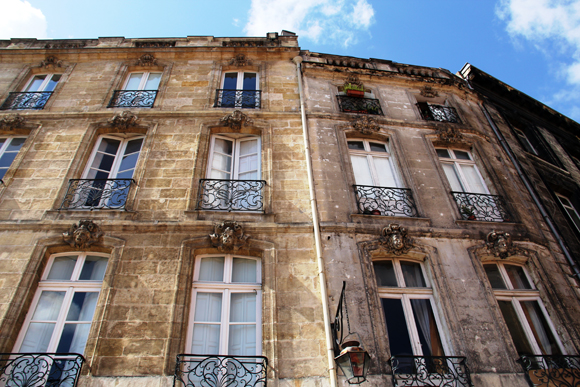
We
explored the city and discovered some exquisite churches and grandiose
buildings and parks. I loved these mascarons- faces in stone that you
find above each door and windows of old buildings.
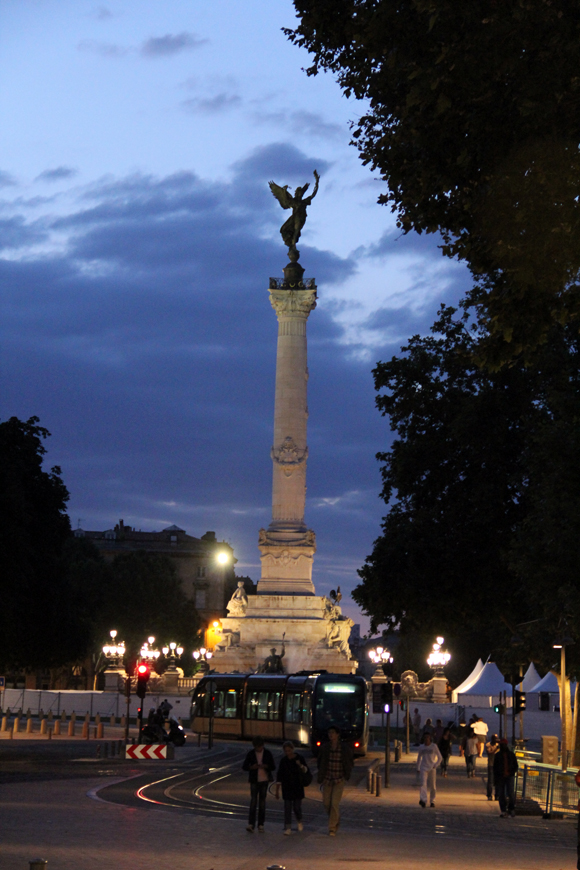
This is the attractive Esplanade des
Quinconces, with statues of philosophers like Montaigne and an ornate fountain.
One
of my favourite places in the city was the Le miroir d’eau, a shallow pool with
water jets that reflected the classic Place de La Bourse with kids and pets
splashing about in the puddle.
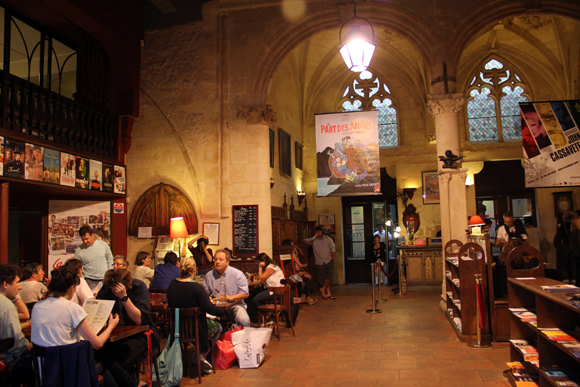
Another
atmospheric place that I visited was the Cafe Utopia housed in a 17th
century church. It is also a cinema and art complex which screens alternative
cinema. They serve gargantuan platters of salads and baguettes.
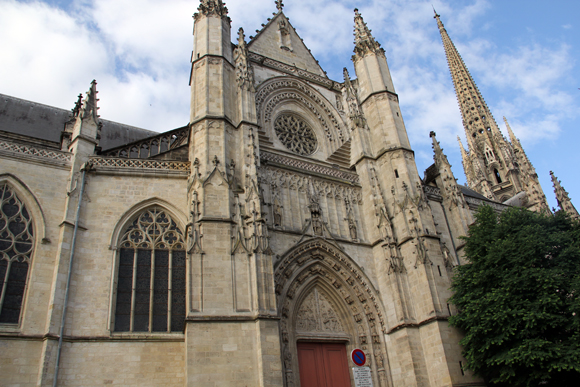
Bordeaux
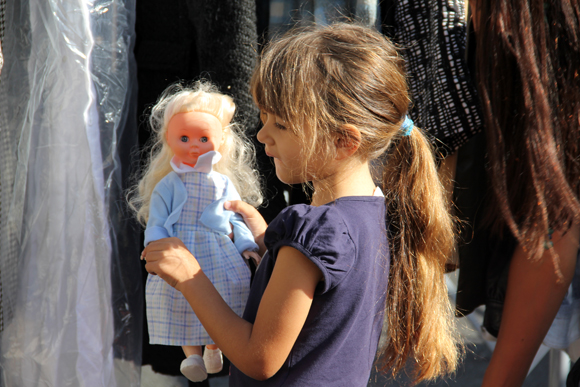
has one of the finest flea markets in the shadow of the Saint Michel Church
with vintage furniture, clothes and bric a brac. I spent a lovely morning
browsing through the clutter.
On
a completely different note I loved Rue Catherine, supposed to be one of
the longest pedestrianised shopping streets in Europe full of boutiques and
shops.
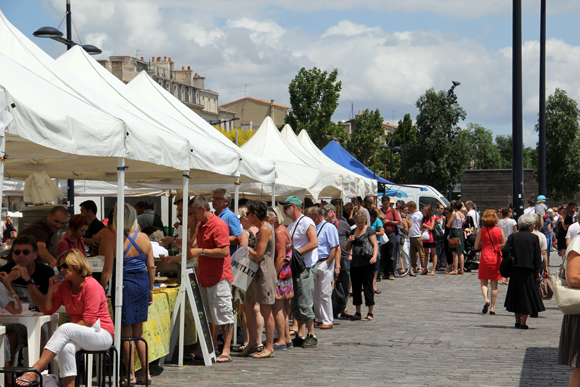
I also walked through a colourful food market beside the Garonne River where people stood in queues for oysters.
Tuesday, June 19, 2012
LIFE IN A ROMAN PIAZZA
When
the ancient Romans built their towns, they began with a grid based on two roads
and where they crossed was considered sacred ground. Here there was a majestic
temple, a civic forum and shops. Today, in Rome, an Italian piazza is still the
centre of public life, a mosaic of the colour and vitality that this city
represents.
Our
favourite piazza is the gargantuan Piazza Navona in Rome,
thronging with life night and day. This
piazza is ringed by brown and umber buildings, three magnificent fountains, and
filled with caricature and portrait artists, buskers, and flocks of pigeons,
street shows and fashionable alfresco restaurants. This used to be a stadium-
the scene of Chariot racing, medieval jousts and games during the reign of
Emperor Domitian.
The
largest fountain here is the Quattro Fiumi, by Lorenzo Bernini, where there is
an ancient, red granite obelisk, and four figures, representing the rivers in
each of the Continents. According to a local story, Bernini carved the arm of
the statue lifted up, to avoid seeing the church, which had been constructed by
his arch rival Borromini!
A
walk from the Piazza Navona takes us to the famed Da Bafetto Pizzeria for a
genuine wood fire pizza. Crammed in a table with many others, it’s short on
ambience but more than makes up in taste.
Opposite the Pantheon is the
Piazza Della Rotunda. Like all self-respecting squares, it has a fountain too.
Sparkling water spouts out from grotesque masks and elongated dolphins, topped
by an ancient Egyptian Obelisk, designed by Giacomo Della Porta in the 16th
Century. This magical square, lined with cafes and gelato shops, is a favourite
hangout of the young at night.
I also
fell in love with the Piazza di Spagna with the
iconic Spanish Steps where,
Gregory Peck and Audrey Hepburn meet, in Roman Holiday, after an
adventurous but chaste night spent together.
The vibrant Piazza Del
Popolo was for centuries, the northern entrance to Rome. This big oval piazza
has an imposing, three thousand year old Egyptian Obelisk brought by Augustus,
and fountains that represent the four seasons. This is the favoured local spot
for political rallies, open air exhibitions and concerts due to its dimensions. The church of Santa Maria Del Popolo is
tucked into the gates of the piazza with two Caravaggio masterpieces and the
Chigi Chapel designed by Raphael (remember Angels and demons?)
Friday, May 25, 2012
A day at the Elephant Orphanage
We
are at the Pinnewala Elephant orphanage about two and a half hours from
Colombo. During the many years of civil strife, the Sri Lankan government
started an elephant orphanage for the elephants that had lost their mothers or
been separated from their herds or injured. Many elephants were injured by
stepping on landmines as fallout of the civil war. The farmers in villages keep out the
marauding wild elephants by means of deep ditches. Sometimes baby elephants get
trapped here and separated from their herds.
Elephants
are used on all occasions of pomp and pageantry like the Kandy Perehara. During
the times of the Sinhala kings, the elephants were protected completely by a
royal decree and the punishment for killing an elephant was death. An estimated
3000 elephants lived in Sri Lanka before the arrival of the British in 1815. In
the 1960s this was close to extinction!
There
are more than 60 elephants at the orphanage. There are volunteers here who
learn the nuances of elephant care over two to three months like feeding, giving
them a wash in the river and grooming them.
The
little ones are fed infant formula; the others are fed about 75 Kg of green
matter everyday. We watch the elephants trundle down the dusty road in disciplined
rows to the Maha Oya River led by their mahouts. The road is lined with
souvenir stalls and curious tourists who watch the elephants and their antics.
Once they are in the river they splash and gambol in the waters and the mahouts
scrub them. The younger ones are the crowd-pullers as they hide beneath their
mothers or cover themselves with a mud-pack, eliciting cries of “Awww, he’s so
cute!” from the groups of Japanese and British tourists!
We
hear that the rehabilitated elephants and those born in captivity are sent to
other wildlife parks in the country or gifted to temples. There are elephants
which have even been sent to foreign zoos.
We
see a board advertising elephant dung paper and intrigued we enter the shop.
There are sheets of paper, gift bags, wine bags, gift tags and even small
storage boxes all made out of the elephant poop. The friendly owner explains
that since the elephants are poor digesters of their food like bananas, fruits
and leaves nearly 60% of what they eat is excreta!
Thursday, May 10, 2012
Green Haven
One of the
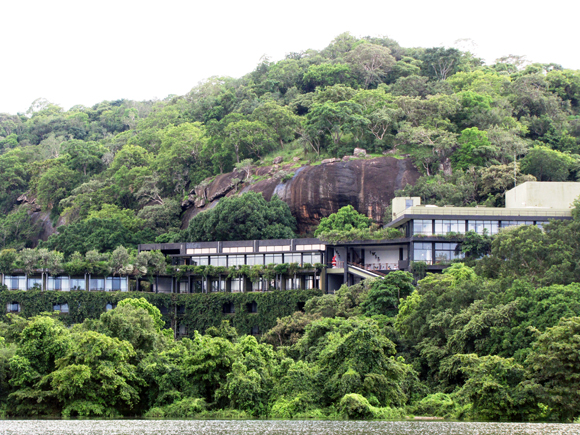
most unique hotels that I have stayed at was the Kandalama Hotel, in Dambulla,
Sri Lanka…
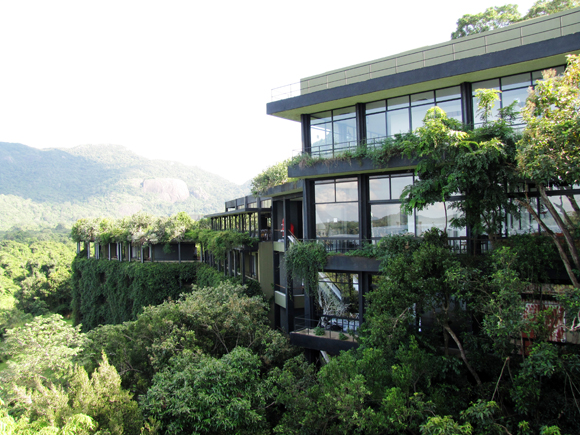
Apparently the design kept to the natural topography
of the rock face. No rocks were injured during the building of the hotel;
instead rooms and corridors were built around them!
The Kandalama Hotel is one of the world’s first
eco-friendly hotels built much before ‘going green’ was fashionable. It was the
brain child of genius architect and design guru the late Geoffrey Bawa.
Though it’s seven storeys high, it’s almost invisible
from a distance as it has been sensitively fitted to its surroundings and
covered with ficus, grass and jungle creepers.
It has won many awards and was the first hotel in Asia
to receive the prestigious Green Globe 21 certification.
The rooms seem to be a natural extension of the
verdant forest around as Hanuman langurs shriek and chatter, peering into our
rooms from a ledge. The bathroom has a Jacuzzi facing a glass window with
spectacular scenery outside and we voted it the best ‘bathroom with a view’.
We took a boat ride on the ancient Kandalama
reservoir, and were astounded by the boatmen’s rich knowledge of bird life on
the lake- Brahminy kites fly in the thermals, fish eagles swoop down on their
daily catch, egrets and cormorants sit in the rushes, bee-eaters and colourful
orioles flit by and the magnificent flight of the hawks is mesmerizing in the
burnished gold of the setting sun.
Our days at the hotel were busy. The hotel has the
unique distinction of being within the Cultural Triangle of Sri Lanka and is
surrounded by UNESCO World Heritage sites. We visited the Dambulla Rock caves
filled with frescoes and Buddha statues one day, and trekked up to Sigiriya,
the ancient pleasure palace of King Kashyapa the next.
Friday, April 27, 2012
Prehistoric mystery...
There
are places that cast a spell on you.. Newgrange is on that list. A pagan
dream of esoteric ceremonies and mystical dances. Time and space frozen into
stone... Newgrange which is a 30 minute drive from Dublin, Ireland, is older
than the Pyramids and Stonehenge..
Newgrange
is part of a heritage trail in Ireland, called Bru na Boine which includes the
burial mounds of Knowth, Douth, and the Hill of Tara among others.
The Newgrange site sits perched on a hill in
the Boyne Valley with lush green pastures and hills all around.
The exterior of the mound is decorated with
97 large kerbstones(that are carved with intriguing spiral
designs).
This
tomb is called a passage tomb because of the long corridor leading to a central
burial room. Were these sacred temples or astronomical observatories? Or
territorial markers? Or were they a pagan homage to the seasons? Nobody knows for sure.
Our guide, Karlos warns us that those who are claustrophobic
should think twice...We crept into the narrow passage, squeezing ourselves
between closely placed rocks. The path went on a slight incline and then widened into an inner burial chamber built in the shape of a crucifix.
The
overlapping stones form an intricate conical roof and have been packed with
burnt clay and sand. For millennia, the roof has been intact and kept the inner
chamber dry.
Many of the stones are decorated with ancient art- symbols like triangles, waves, spirals, lozenges and circles. Karlos tells us that this place has two thirds of all the known Neolithic carvings and they are similar to Aboriginal representations found in other parts of the world.
Maybe they represent symbols from nature: the sun, sky and the air?
Newgrange is famous for its winter solstice
when the rays of sunlight enter the roof box at the entrance, crawl into the
passage, and fall on the inner chamber, illuminating it with golden light- the
event lasts just 17 minutes. This incredible event is a great tourist
attraction and tickets are sold by luck-of-the-draw lottery.
Powered by Blogger.